Inside Referral-Driven Growth Models for Digital Contest Applications
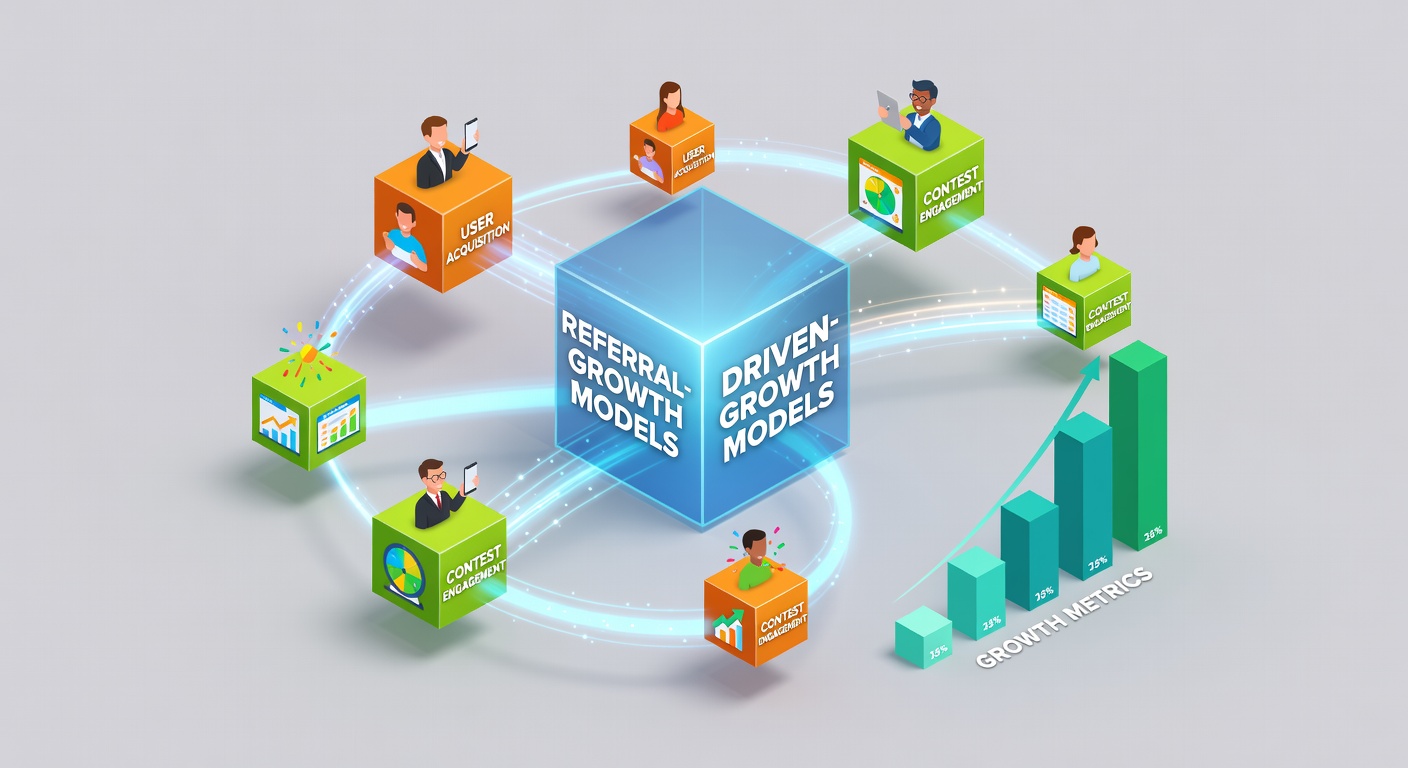 Referral programs form a core component of user acquisition strategies across digital contest applications, where existing participants invite new users through unique codes or links that tie directly into platform reward structures. These models track participation metrics such as entry submissions and engagement levels, then allocate incentives like additional contest credits or bonus entries once the referred individual completes specified actions. Data from industry reports indicates that referral pathways often account for 20 to 40 percent of new registrations on multi-state contest platforms, because each successful referral expands the participant pool without requiring separate advertising expenditures. Platform operators integrate these systems with verification protocols that confirm user locations and eligibility under varying state rules. When a referred user registers, the system logs the connection and monitors subsequent activity for a defined period, typically 30 to 90 days. This process ensures incentives distribute only after compliance checks clear, which reduces instances of duplicate accounts or ineligible entries. Observers note that successful implementations combine automated tracking with manual audits in high-volume periods, particularly around seasonal events that spike participation numbers.
Core Mechanics Behind Referral Incentives
Digital contest applications structure referral rewards through tiered systems that scale with the number of successful invitations. A single referral might grant the referrer five additional entries, while five completed referrals unlock access to exclusive prize pools or elevated credit multipliers. These layers encourage sustained engagement rather than one-time signups, because participants continue monitoring their referral dashboards to unlock higher tiers. Application data shows that users who reach mid-tier rewards maintain login frequencies 35 percent above average, according to aggregated platform analytics released in early 2026.
Tracking relies on device fingerprinting combined with email or phone verification to prevent abuse. When a new user enters a contest using a referral code, the system attributes the action and queues the reward for the originator once the new account passes initial validation. June 2026 updates to several major platforms introduced real-time attribution dashboards, allowing referrers to view pending rewards without waiting for end-of-month reconciliations. Such features emerged after earlier synchronization challenges between verification systems and credit allocation led to delayed payouts in multi-jurisdictional environments.Data Patterns and Growth Metrics
Research conducted by academic groups at institutions in Canada and Australia reveals consistent patterns in referral conversion rates across contest applications. Platforms that offered immediate micro-rewards, such as one free entry upon code entry, achieved higher initial activation rates than those requiring full contest completion before any benefit appeared. Figures from these studies indicate conversion improvements of 18 to 27 percent when instant feedback loops exist within the referral flow.
 Geographic distribution of referrals often mirrors population density in states with permissive contest regulations. Participants in high-density areas generate more invitations because social networks overlap with existing user bases, creating organic clusters. Operators adjust incentive values regionally to balance acquisition costs against regulatory compliance expenses, particularly where verification protocols demand additional documentation for cross-border entries.
Technical Infrastructure Supporting Referrals
Backend systems employ API connections between contest engines and customer relationship management tools to log referral events in unified databases. These connections allow real-time updates when a referred user submits an entry or redeems credits, which in turn triggers notifications to the referrer. Network latency considerations influence how quickly these updates propagate across servers located in different data centers, yet most platforms maintain sub-second response times for core tracking functions.
Security layers incorporate encryption for referral codes and periodic audits of high-volume referrers to detect coordinated activity that might violate terms. When anomalies surface, such as clusters of accounts sharing similar device signatures, operators suspend pending rewards pending review. This approach maintains system integrity while preserving the growth advantages that referrals provide over paid acquisition channels.Regulatory Alignment and Platform Adaptations
Compliance teams align referral mechanics with state-specific requirements by embedding eligibility filters into the invitation process itself. Potential referrers receive prompts confirming their location before generating codes, and the system blocks distribution to addresses in restricted jurisdictions. Reports from regulatory bodies such as those overseeing consumer protection in the United States and equivalent agencies in the European Union highlight the importance of transparent disclosure about how referral data gets stored and used.
In June 2026 several platforms introduced enhanced consent flows that require explicit agreement to data sharing before a referral code activates. These changes responded to evolving standards around digital marketing practices and helped sustain user trust in programs that continue to drive measurable growth. Industry organizations tracking digital contest trends have documented steady increases in referral-driven registrations following such transparency measures.Conclusion
Referral-driven models continue to shape acquisition and retention dynamics within digital contest applications through structured incentives, robust tracking infrastructure, and ongoing regulatory alignment. Metrics collected across platforms demonstrate sustained contributions to user bases when reward tiers and verification processes operate in coordination. As platforms refine attribution tools and consent mechanisms, the underlying data patterns suggest these systems will maintain relevance in competitive digital environments where organic expansion remains a priority.