Redemption Frequency as a Predictor of Long-Term Engagement in Regulated Online Sweepstakes Environments
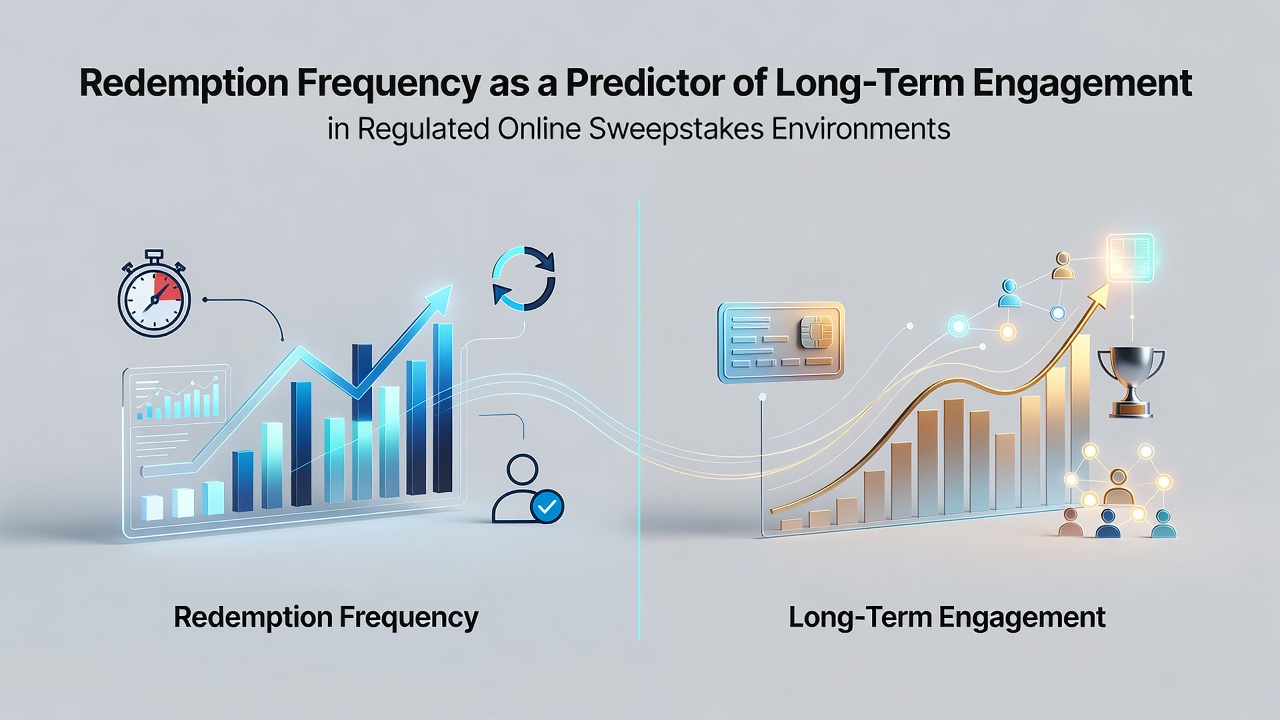
Redemption frequency tracks how often participants in regulated online sweepstakes claim prizes or convert virtual credits into tangible rewards, and multiple platform datasets link this metric directly to extended user retention periods. Researchers examining multi-state operations note that players who complete redemptions at regular intervals demonstrate higher continuation rates beyond the initial six months of activity compared with those who rarely or never redeem.
Defining Redemption Patterns in Sweepstakes Systems
Regulated sweepstakes platforms maintain detailed logs of every prize claim, from small daily coin conversions to larger jackpot payouts, and these records reveal consistent behavioral sequences. Participants typically start with free entry mechanisms that accumulate credits, then shift toward redemptions once thresholds are met; analysts observe that the timing and volume of these claims correlate with account longevity. In July 2026, updated compliance dashboards across several interstate networks began highlighting redemption velocity as a core engagement signal, separate from login frequency or bonus collection rates.
Empirical Links Between Redemption and Retention
Studies conducted on aggregated user data from licensed operators indicate that accounts completing at least one redemption every 30 to 45 days retain active status at rates exceeding 65 percent after 18 months. Those completing redemptions less frequently show steeper drop-off curves, with many accounts becoming dormant within nine months. Observers tracking these patterns across different regulatory jurisdictions report similar ratios, suggesting the relationship holds regardless of specific state verification protocols.
Key Metrics Observed in Platform Analytics
- Average days between successful redemptions for retained users versus churned users
- Correlation coefficients between redemption count and total session duration over multi-year spans
- Impact of redemption size tiers on subsequent entry submission rates
One dataset compiled from platforms operating under varying interstate rules found that users who redeemed within the first 60 days after registration maintained engagement levels nearly double those of non-redeemers during the same window. These figures come from internal reporting tools that synchronize with state-mandated audit trails, ensuring the numbers reflect verified activity rather than estimated projections.
Regulatory Context Shaping Redemption Behaviors
State verification protocols require documented proof of identity and location before larger redemptions can process, which creates natural checkpoints that influence how frequently players attempt claims. Platforms must align coin allocation systems with these rules, and the resulting friction or smoothness directly affects redemption cadence. Data collected through these compliant channels shows that streamlined verification steps tend to increase redemption frequency without altering underlying prize structures.
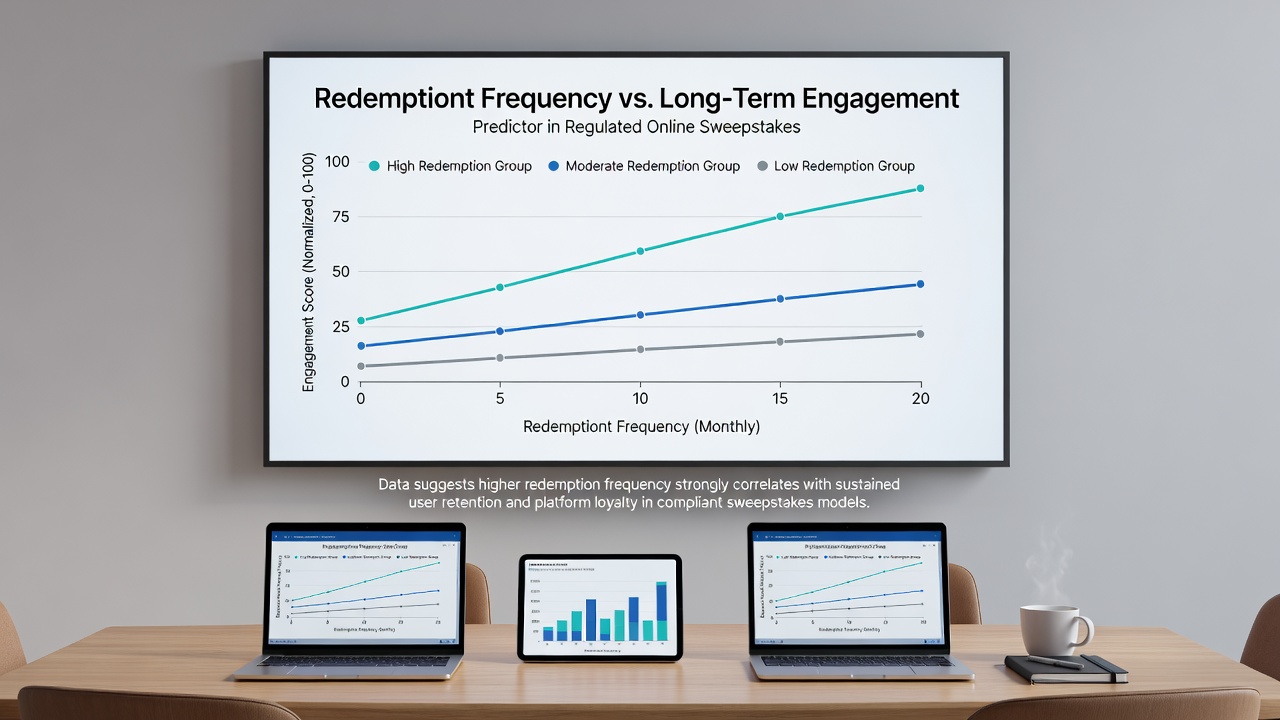
According to reports issued by the National Council on Problem Gambling, redemption activity serves as one measurable indicator within broader responsible play frameworks used by operators. Separate research from the University of Nevada's gaming studies group has examined how prize claim intervals interact with seasonal promotion cycles, finding that consistent redeemers participate more steadily through both peak and off-peak periods.
Cross-Platform Comparisons and July 2026 Trends
By July 2026, several multi-state networks implemented unified reporting standards that allow direct comparison of redemption data across different prize models. Early outputs from these systems reveal that platforms offering tiered redemption options, ranging from instant micro-payouts to scheduled larger transfers, record higher average frequencies and correspondingly stronger retention curves. Analysts note that these patterns persist even when controlling for variables such as entry volume or promotional credit allocation.
Canadian provincial regulators have published parallel observations through the Responsible Gambling Council, documenting similar predictive value in sweepstakes-style contest environments. The consistency across borders suggests that redemption frequency functions as a structural signal rather than a jurisdiction-specific artifact.
Mechanisms Driving the Predictive Relationship
Redemption events often trigger psychological reinforcement loops that encourage continued participation, as players receive tangible confirmation that their accumulated entries hold value. Platform telemetry shows increased entry submissions in the days immediately following a completed redemption, creating a self-reinforcing cycle. Those who experience repeated successful claims maintain momentum across longer timeframes, whereas delayed or absent redemptions correlate with declining submission rates.
Network latency and real-time synchronization between verification systems and coin ledgers can either facilitate or hinder these cycles, depending on implementation quality. Operators that minimize processing delays tend to see steadier redemption rhythms and improved long-term metrics.
Conclusion
Redemption frequency provides operators and regulators with a quantifiable marker that aligns closely with sustained engagement across regulated online sweepstakes environments. Aggregated data from multiple jurisdictions demonstrates repeatable patterns linking regular prize claims to extended account activity, independent of other behavioral variables. As reporting standards continue to evolve in 2026 and beyond, this metric offers a practical tool for monitoring platform health while remaining grounded in verifiable activity logs.