State-Specific Guidelines Governing the Distribution of Incentives in Cross-Border Digital Contests
Katja Walter · Jul 1, 2026
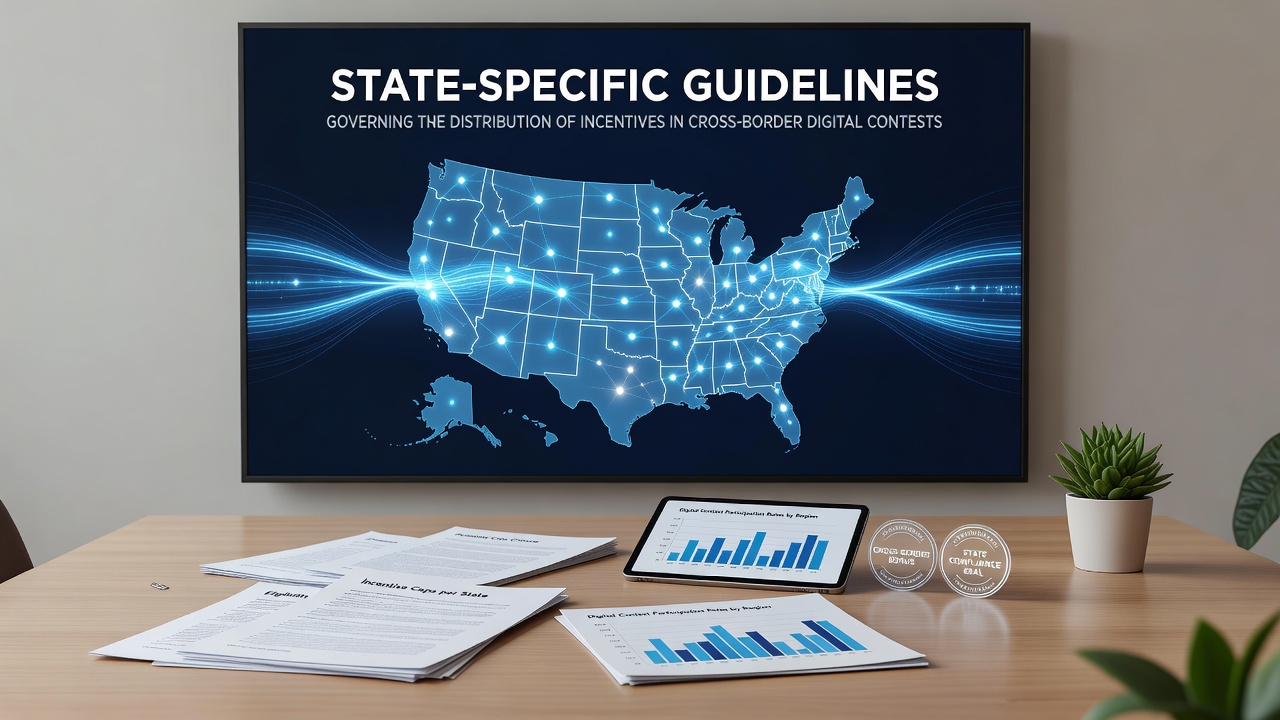
State-Specific Guidelines Governing the Distribution of Incentives in Cross-Border Digital Contests
Digital contests that cross state lines must navigate a patchwork of rules that dictate how incentives such as free entries, bonus credits, and prize redemptions reach participants. These guidelines stem from consumer protection statutes that vary sharply from one jurisdiction to another, and operators who fail to account for those differences risk enforcement actions or blocked distributions. As of July 2026 several states have updated their registration thresholds and disclosure requirements, reflecting ongoing efforts to balance innovation with participant safeguards.
Core Principles Behind State Regulations
Most states treat digital contests under existing sweepstakes or promotional contest laws rather than creating entirely new statutes for online platforms. Registration with the attorney general or secretary of state becomes mandatory once prize values exceed set thresholds, while mandatory disclosures about odds and eligibility appear in every jurisdiction that permits such promotions. Observers note that these baseline rules create a common foundation, yet the details of incentive distribution diverge once operators attempt to move credits or entries across borders.
Key Differences Among Major Jurisdictions
California requires operators to file prize notices and maintain records showing how incentives flow to residents, with particular scrutiny on any mechanism that awards bonus credits based on activity in other states. Florida mandates bonding for larger promotions and prohibits certain forms of cross-state pooling that could obscure the source of an incentive. New York demands pre-approval for any contest that offers cumulative rewards across multiple entries, forcing platforms to segment incentive pools by participant location. Texas focuses on clear separation between paid and free entry methods, requiring documentation that demonstrates no participant gains an advantage through purchases made outside its borders.
These variations affect how platforms allocate daily login bonuses or referral rewards. A credit earned in one state may not transfer to an account registered in another without additional verification steps, and some states prohibit the practice altogether when the incentive originated from activity outside their regulatory reach.
Compliance Mechanisms for Incentive Allocation
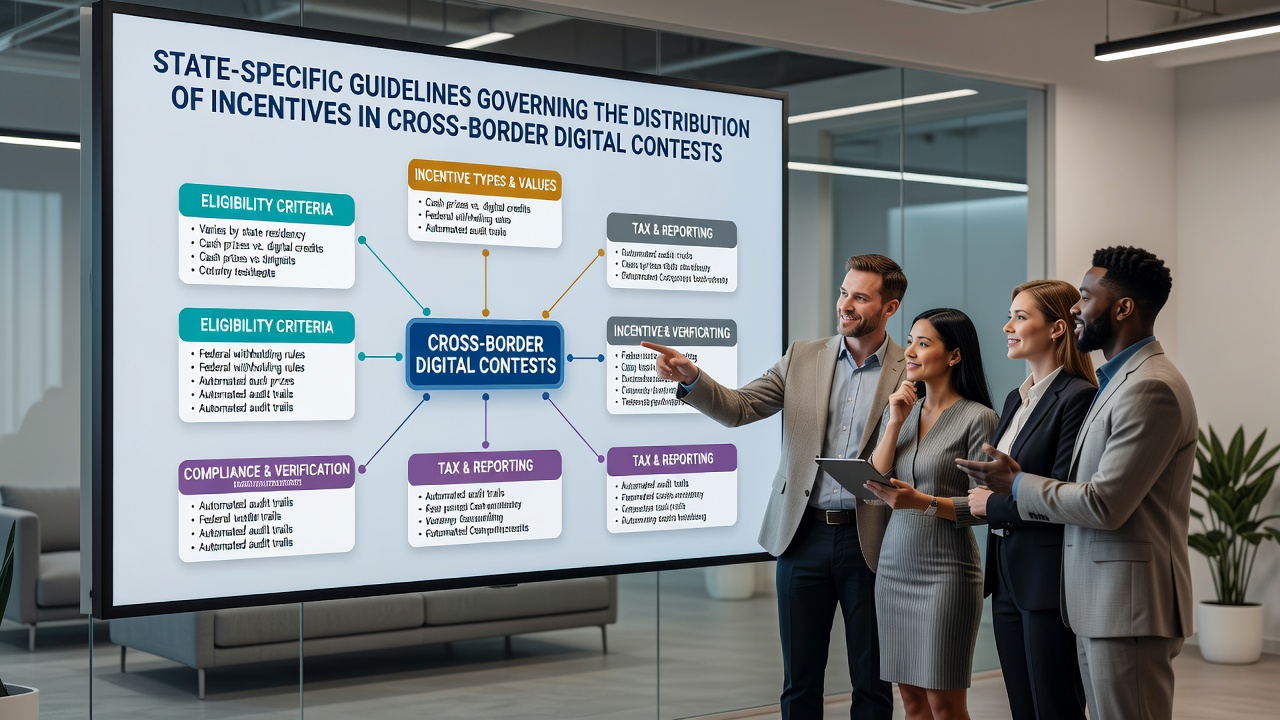
Operators typically deploy geo-location tools and account-level tagging to route incentives only to eligible residents. Research from industry groups indicates that real-time verification reduces inadvertent violations, yet latency or outdated databases can still trigger compliance gaps. Data from the Federal Trade Commission shows that clear record-keeping on incentive origins helps resolve disputes when participants relocate or when states request audits.
Some jurisdictions also impose periodic reporting on the volume and value of incentives distributed within their borders. These reports often require breakdowns by incentive type, source state, and redemption rate, creating administrative layers that smaller platforms must factor into operational planning.
Cross-Border Challenges and Emerging Solutions
Platforms operating in multiple states frequently maintain separate incentive ledgers for each jurisdiction to satisfy divergent rules on eligibility and transferability. According to reports from the Competition Bureau Canada, similar segmentation practices appear in cross-provincial promotions, suggesting a broader pattern among North American regulators. Technical solutions such as tokenized credits that carry jurisdiction metadata have gained traction, allowing systems to block or redirect rewards before they reach ineligible accounts.
Seasonal promotions scheduled for July 2026 must incorporate these controls from the outset, because retroactive adjustments become costly once incentives have already circulated. States that permit skill-based elements in contests add another variable, since the definition of skill versus chance differs and can affect whether an incentive counts as a regulated prize.
Conclusion
State-specific guidelines continue to shape every stage of incentive distribution in cross-border digital contests, from initial allocation to final redemption. Platforms that map these rules jurisdiction by jurisdiction and embed compliance checks into their systems can operate across borders while meeting each state's distinct requirements. Ongoing regulatory updates, including those expected through mid-2026, underscore the need for continuous monitoring rather than one-time setup.