The Connection Between Social Sharing Features and Entry Volume in State-Licensed Gaming Applications
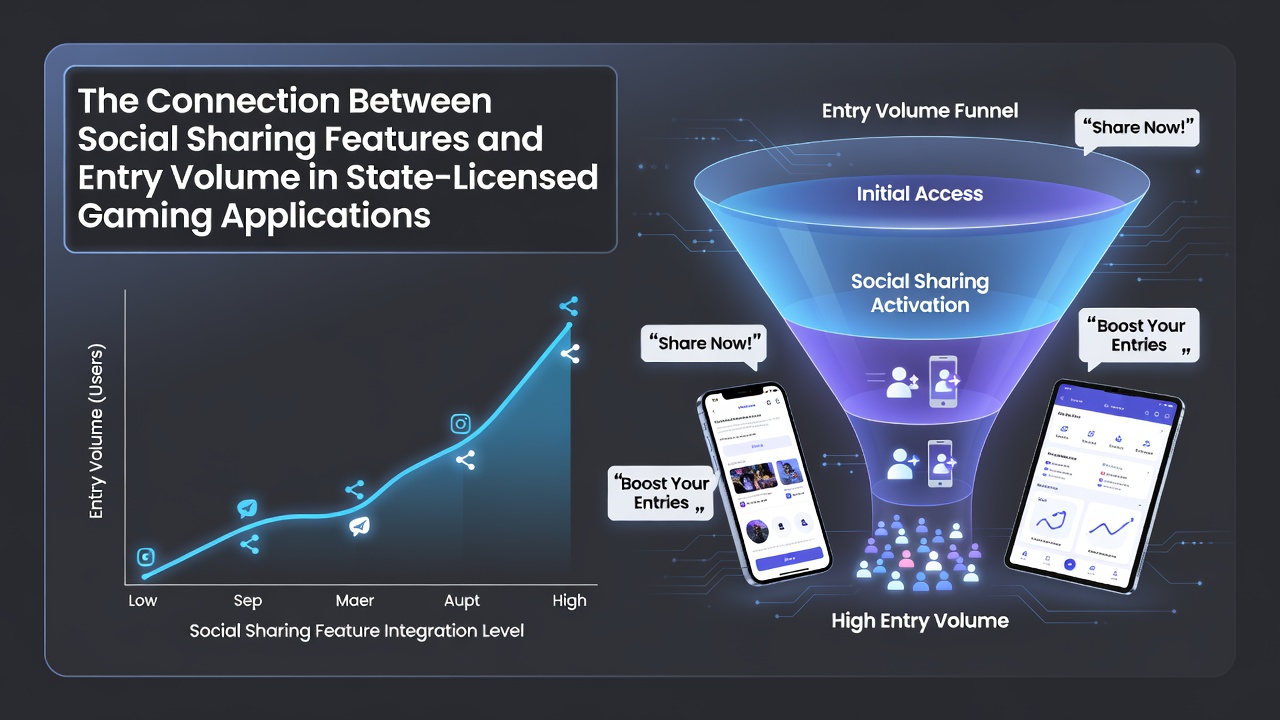
State-licensed gaming applications have integrated social sharing features that allow users to invite contacts, broadcast achievements, and distribute promotional codes through established networks like messaging apps and social platforms. These tools create direct pathways that expand participant pools and drive measurable increases in entry submissions across multiple jurisdictions. Platforms operating under state regulations track these interactions through unique referral identifiers that link each new account or contest entry back to its originating share.
Mechanics of Referral Integration in Regulated Environments
Developers embed sharing prompts at key moments within the user flow, such as after a successful login, following a prize claim, or upon reaching daily login streaks. Each shared link carries encrypted parameters that credit the original user while routing new participants into the same state-compliant system. Data collected from these systems shows that entries generated through shared links often carry higher completion rates because recipients arrive with pre-existing context about the platform's rules and prize structures.
State verification protocols require that all referred users complete identity checks before accumulating entries or accessing coin allocations. This process maintains compliance while allowing the referral chain to continue uninterrupted. Observers note that applications enforcing these checks early in the referral process experience fewer abandoned entries compared to those that delay verification.
Entry Volume Patterns Linked to Sharing Activity
Analytics from multi-state platforms reveal consistent correlations between the volume of social shares and subsequent entry submissions. During periods of heightened promotional activity, such as holiday campaigns or limited-time events, share counts have risen sharply and coincided with entry increases of 30 to 50 percent within the same 48-hour windows. These patterns hold across different regulatory environments where operators must segment user bases by state of residence.
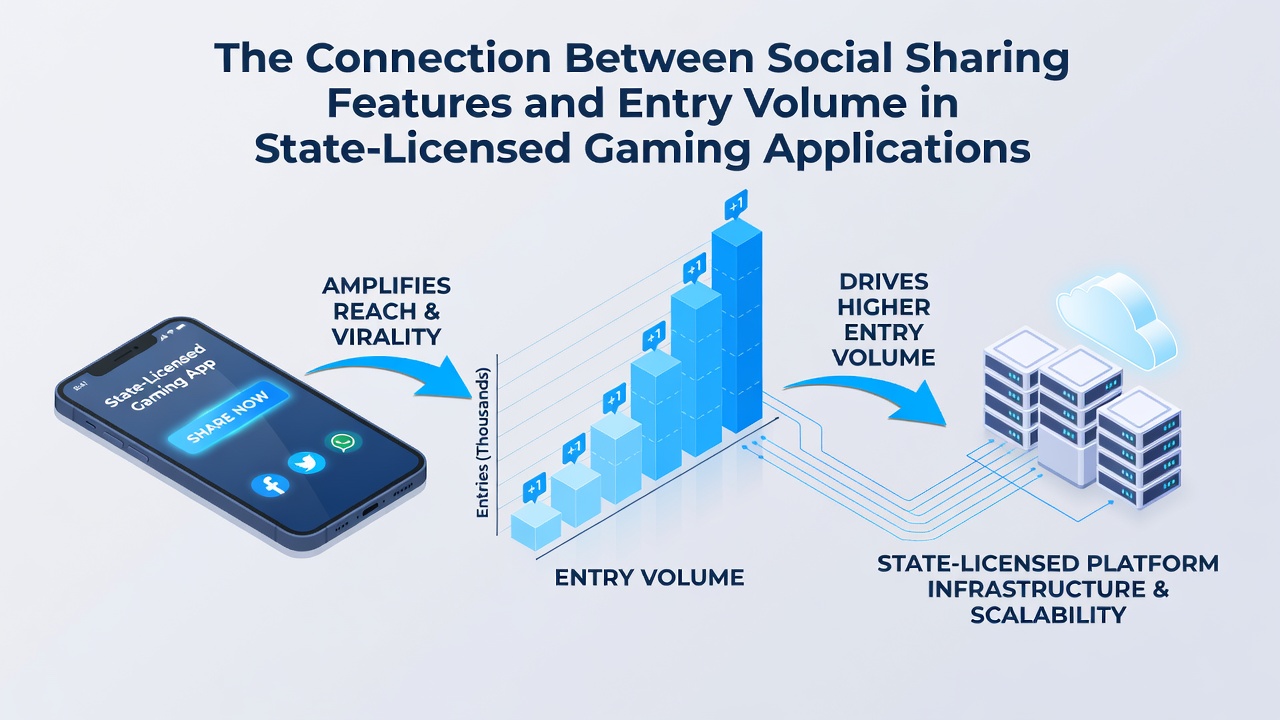
Researchers examining data from July 2026 documented that platforms with prominent sharing buttons placed on the main dashboard recorded higher daily entry totals than those restricting social features to secondary menus. The difference appeared most pronounced in states that permit broader marketing language around referral bonuses. Figures from these periods also indicated that users who received shared content from personal contacts submitted entries at rates exceeding those arriving through paid advertisements.
Cross-Jurisdictional Variations in Sharing Effectiveness
Regulatory differences between states influence how effectively social sharing translates into additional entries. Some jurisdictions require explicit disclaimers on shared content that state the promotion is void where prohibited, which can reduce click-through rates when recipients reside outside the operating footprint. Other states allow more flexible language that keeps the referral message concise and direct.
Operators adjust their sharing interfaces accordingly, sometimes displaying location-specific warnings before a link is generated. Those adjustments help sustain entry volume by preventing users from sharing into regions where participation is restricted. Industry reports from organizations such as the Canadian Gaming Association have examined similar referral dynamics in cross-border digital contests, offering comparative insights that apply to U.S. state systems.
Technical Factors Affecting Share-to-Entry Conversion
Network performance and interface design play measurable roles in whether a shared link results in a completed entry. Applications that preload entry forms on the landing page after a referral click convert more visitors than those requiring multiple navigation steps. Latency issues during peak sharing hours can interrupt the process, leading some platforms to implement caching strategies that preserve form data even when connections fluctuate.
Studies from academic institutions including the International Center for Gaming Regulation have analyzed how interface friction reduces entry completion among referred users. Their findings underscore the importance of minimizing steps between the shared link and the final entry confirmation screen.
Conclusion
Social sharing features remain tightly coupled to entry volume in state-licensed gaming applications through referral tracking, regulatory compliance layers, and interface optimization. Data collected across multiple states continues to show that well-integrated sharing tools expand participant reach while preserving required verification standards. As platforms refine these mechanisms, the relationship between shares and entries provides operators with actionable metrics for adjusting promotional strategies within existing legal frameworks.